Pecan FO
Categories
Product Design
Client
Pecan FO
Project
UX Design
Services
Website Design
Year
2025
Pecan Family Office required a refined, informational website that communicates trust, legacy, and long‑term vision. The goal of this project was not to sell services or drive conversions, but to establish a clear digital presence that reflects the origins and mission of the family office while remaining intentionally simple and easy to navigate.
Goals & Constraints
Goals
Communicate the mission, origins, and long‑term vision of the family office
Establish trust through visual restraint and clear hierarchy
Create a timeless design that would not require frequent updates
Ensure effortless navigation with minimal cognitive load
Constraints
No services, forms, or transactional features
Minimal number of pages
External contact via LinkedIn only
Solo designer with direct client collaboration
These constraints guided every design decision and helped define success as clarity and alignment rather than feature depth.
Information Architecture
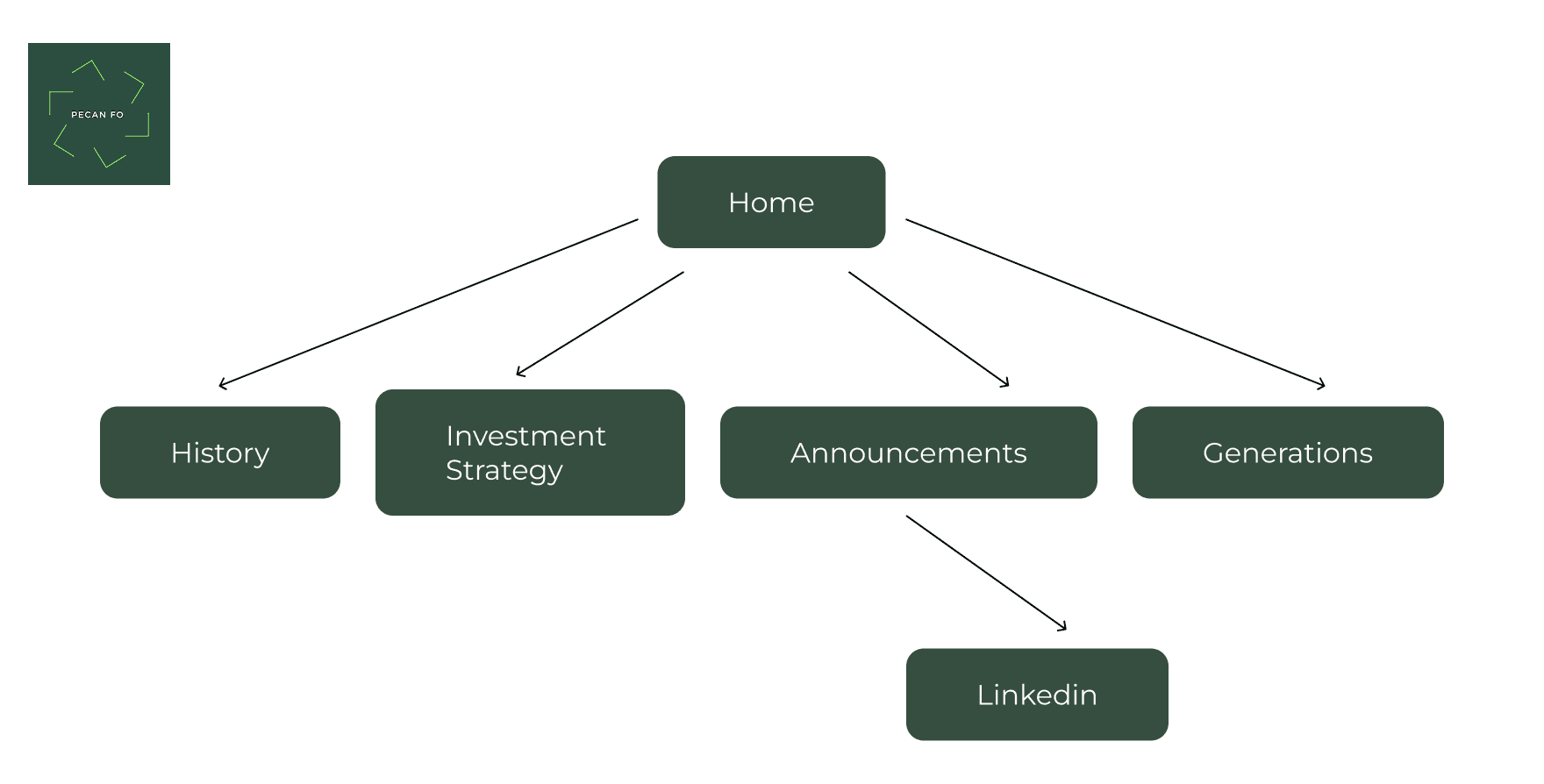
Given the project goals, I designed a deliberately simple information architecture. Rather than complex navigation or layered content, the site structure guides users through a clear narrative flow:
Introduction to the family office
Origins and mission
Long‑term outlook and values
External point of contact
Reducing complexity was an intentional UX decision. The structure minimizes cognitive load and aligns with user expectations for a private, relationship‑driven organization.
Wireframing & Early Iterations
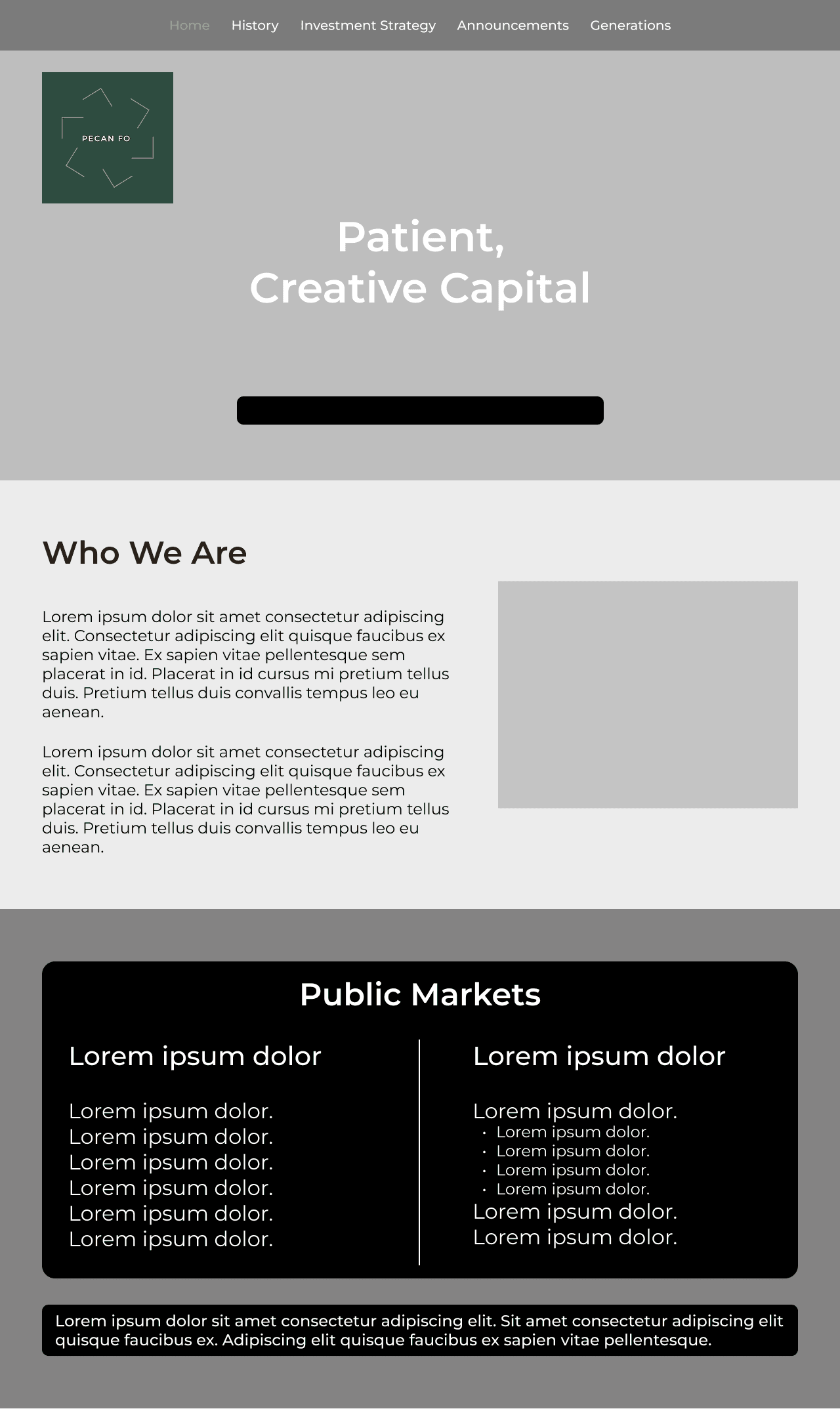
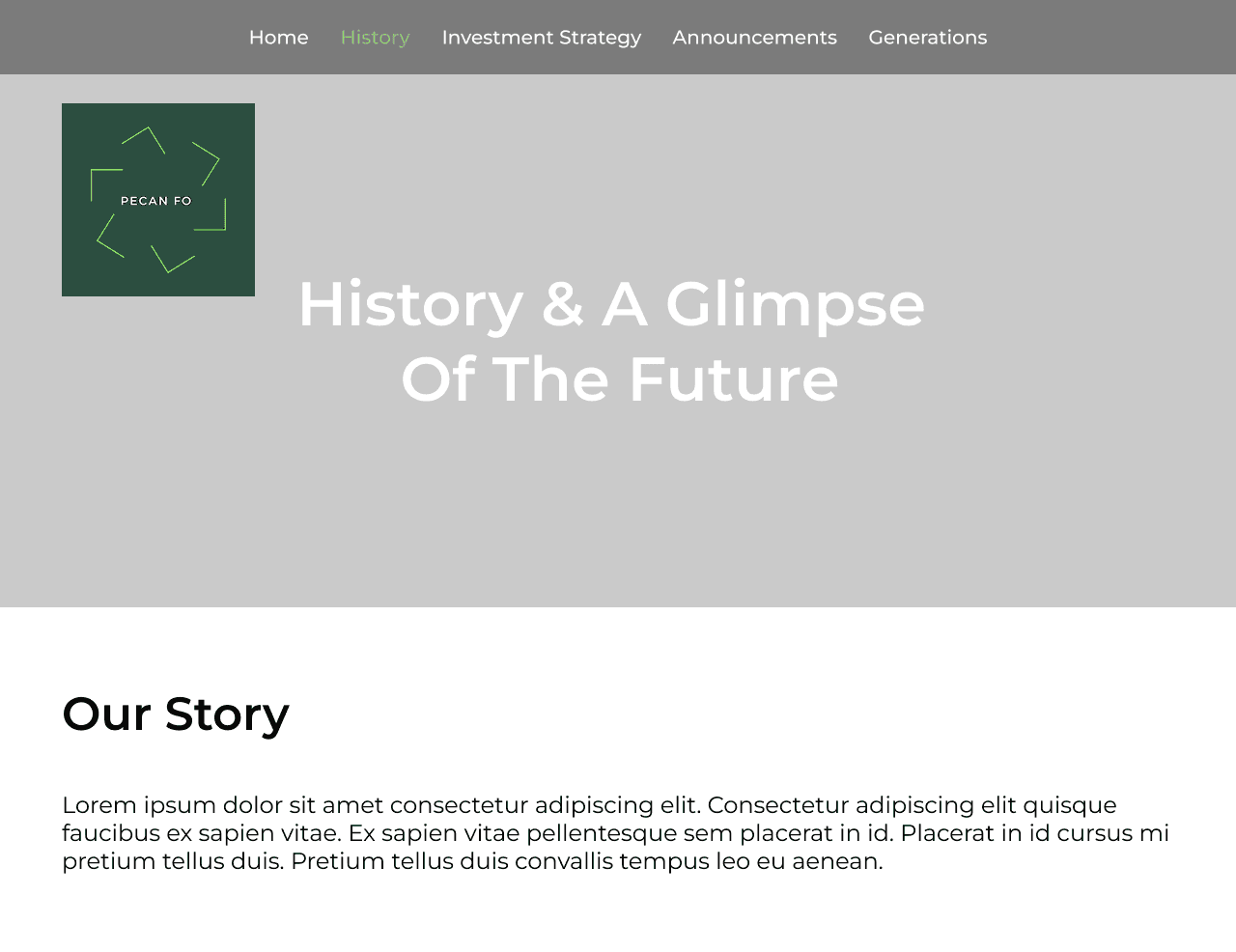
Initial wireframes focused on content hierarchy and storytelling rather than visual detail. I explored multiple layout directions to determine how best to surface the family office’s history and mission while maintaining clarity and balance.
Early iterations prioritized:
Clear typographic hierarchy
Generous spacing for readability
Logical progression through content sections
Direct client feedback guided rapid iteration, allowing the structure to evolve quickly without formal handoffs.
Visual Design System
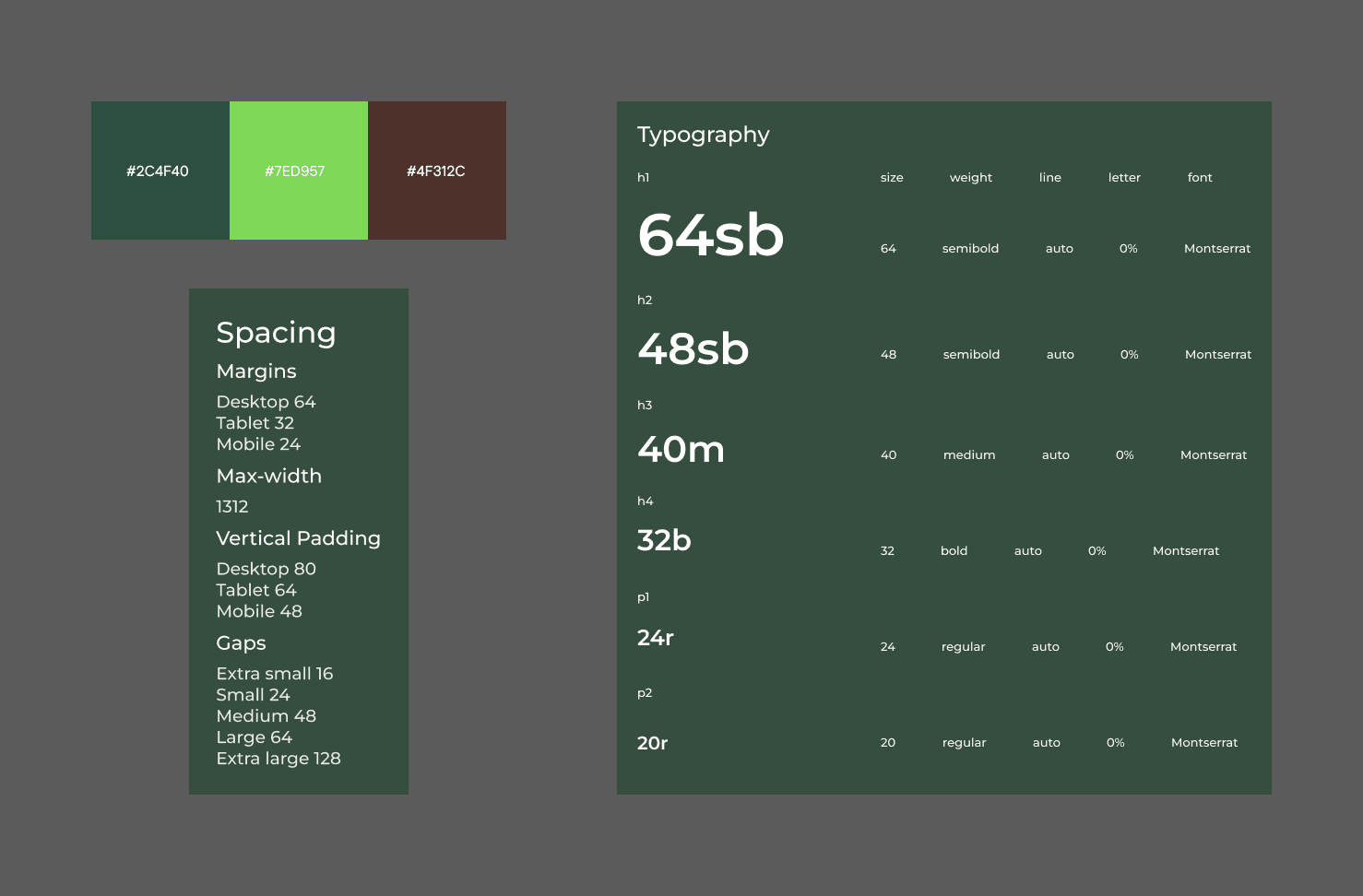
The visual design emphasizes permanence, restraint, and trust. A neutral, earth‑toned palette and strong typography were selected to reflect stability and long‑term thinking, while avoiding stylistic trends that could date the site.
Design principles included:
Minimal color usage with intentional accents
Strong typographic hierarchy
Consistent spacing and alignment
Content‑first layouts
The resulting system supports the narrative focus of the site while remaining flexible for future updates.
Design to Build: Framer Implementation
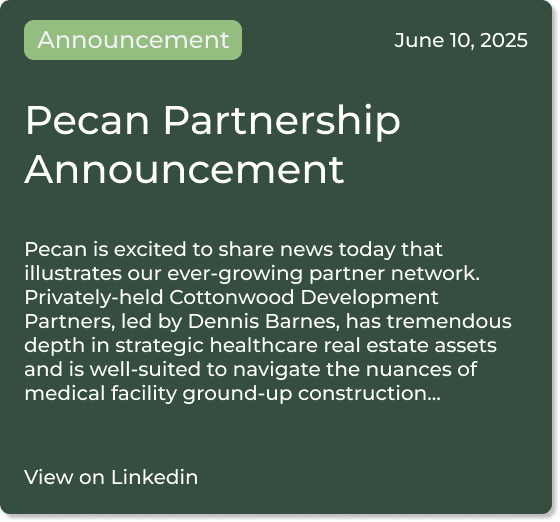
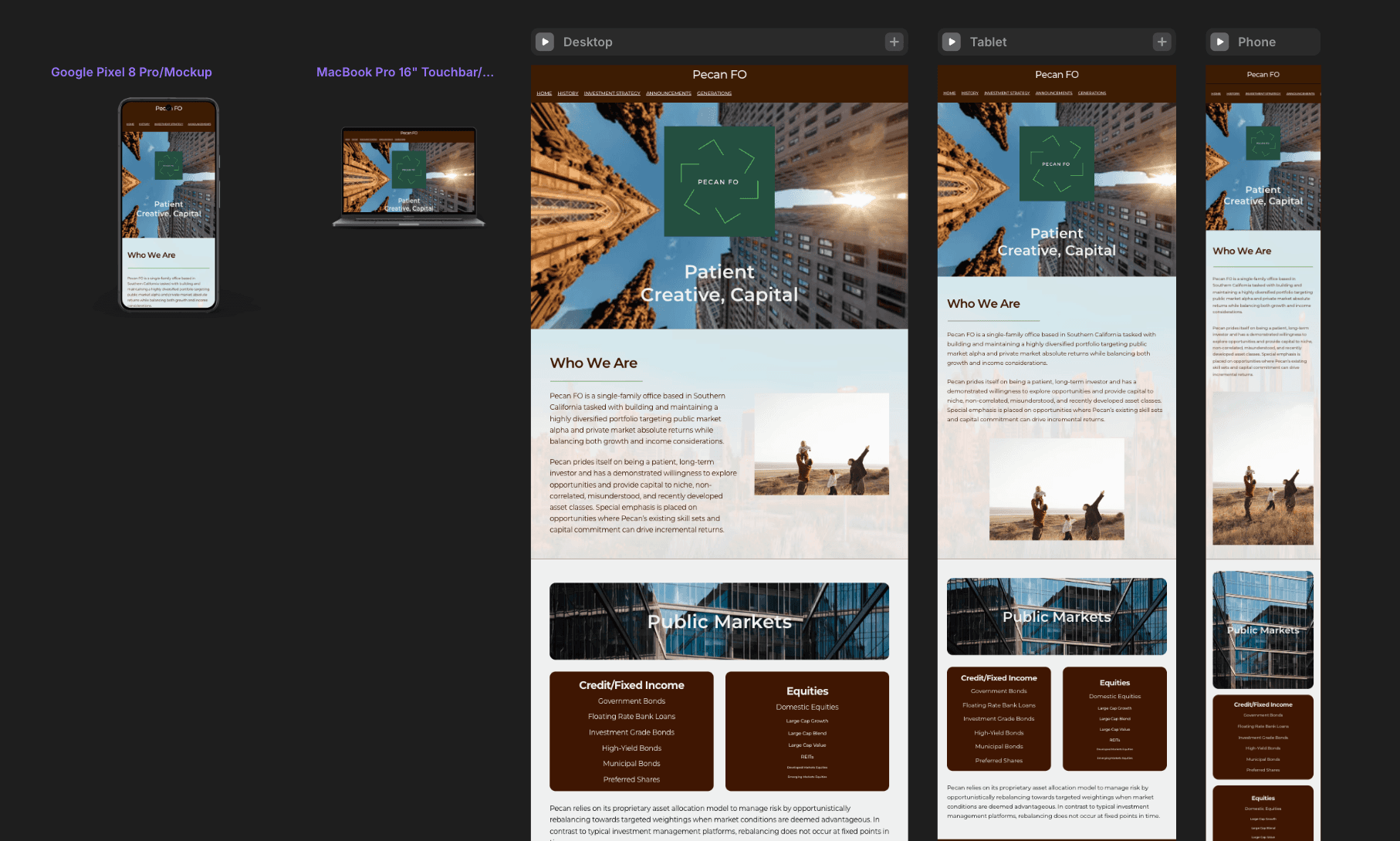
I implemented the final designs using Framer, translating the visual system directly into a responsive, production‑ready website. Using a no‑code tool allowed for fast iteration, precise control over layout, and a smooth transition from design to launch.
Choosing Framer supported the project’s goals by:
Maintaining simplicity in both design and implementation
Allowing full ownership from concept to deployment
Ensuring long‑term maintainability without custom development
Final Outcome
The final website delivers a clear and intentional digital presence that reflects the family office’s origins, mission, and long‑term outlook. The streamlined structure and restrained visual language align closely with the client’s goals, reinforcing credibility without unnecessary complexity.
The client expressed strong satisfaction with the site’s clarity, tone, and ability to communicate trust through simplicity.
Reflections & Learnings
This project reinforced that effective UX design is not defined by feature volume, but by alignment with purpose. Designing an intentionally minimal, informational website required restraint, strong prioritization, and close client collaboration.
Working as a solo designer strengthened my ability to manage ambiguity, make end‑to‑end decisions, and balance user needs with client intent—skills that are critical across projects of any scale.